

- How to Choose the Perfect Dog Food: Protecting Your Dog’s Health and Happiness
- 1. How to Choose the Perfect Dog Food: Protecting Your Dog’s Health and Happiness
- 2. Choosing Dog Food That Treats Your Dog as Family: Prioritizing Safety and Quality
- 3. Easy Steps for Beginners: Finding the Right Food for Your Dog
- 4. Beyond Price Tags: Balancing Cost and Quality
- 5. Making Your Dog Happy: Choosing Food That Delights Their Palate and Nurtures Their Body
- 6. Comprehensive Comparison: From Luxury Brands to Budget-Friendly Options
- 7. Decoding Labels: How to Read and Understand Dog Food Packaging
- 8. Tailored Choices: Selecting Food Based on Age, Size, and Lifestyle
- 9. Practical Nutrition: Simple Ways to Ensure a Healthy, Nutrient-Dense Diet
- 10. Avoiding Common Pitfalls: Tips to Prevent Mistakes When Choosing Dog Food
- 11. Knowing When to Change: Timing and Strategies for Switching Dog Food
- 12. The Basics of Dog Food Types: Dry, Wet, Homemade, and More
- 13. Prioritizing Purity: Choosing Additive-Free, Organic, and Natural Foods
- 14. Being Smart About Budget: Selecting Cost-Effective Yet Healthy Options
- 15. Spotlight on Popular Brands: 10 Recommended Dog Food Brands and Their Key Features
- 16. Tailoring Diet to Breed: Different Foods for Different Dogs
- 17. Real-Life Success Stories: How the Right Food Changed a Dog’s Life
- 18. Nutritionist Insights: Professional Tips for Protecting Your Dog’s Health
- 19. Planning for the Future: Long-Term Health Through Wise Food Choices
- 20. Q&A: Common Questions and Answers About Dog Food Selection
How to Choose the Perfect Dog Food: Protecting Your Dog’s Health and Happiness
Selecting the right food for your beloved dog can feel like a daunting challenge. With countless options on the market, it’s often overwhelming to determine which product best meets your pet’s unique needs. People tend to be drawn to pricing and flashy marketing, but the true value of a dog’s food lies in its ability to support health, longevity, and overall happiness. Your dog is not just a pet; it’s a cherished member of your family. They deserve careful consideration when it comes to their diet. In this comprehensive guide, we will explore all facets of dog food selection, from understanding nutrition and reading labels to choosing food suitable for different life stages, breeds, and activity levels. By referencing these detailed insights and examples, you’ll have the knowledge to confidently select the perfect meal options for your canine companion.

1. How to Choose the Perfect Dog Food: Protecting Your Dog’s Health and Happiness
When it comes to safeguarding your dog’s health, the single most impactful factor is often the food you place in their bowl. The right blend of nutrients, balanced according to age, breed, and lifestyle, can help maintain a healthy weight, support strong bones and joints, ensure a shiny coat, and bolster overall vitality. To begin your journey toward a nutritious choice, start by examining the quality and ratio of proteins, carbohydrates, and fats in any given product. High-quality dog foods list specific, identifiable protein sources like chicken, salmon, or turkey as the first ingredient, rather than generic meats or by-products.
Additionally, consider your dog’s life stage. A growing puppy requires more caloric density and balanced minerals, while a senior dog might benefit from lower-calorie formulas supplemented with joint-supporting nutrients like glucosamine and chondroitin. Breed-specific needs also play a role—larger breeds often require support for joint health and careful attention to calcium-phosphorus ratios, while smaller breeds may need nutrient-dense kibble in smaller portions. Ultimately, choosing the perfect dog food is a matter of combining veterinary guidance with informed decision-making, ensuring that your four-legged friend receives complete, balanced nutrition that truly supports their wellbeing.
2. Choosing Dog Food That Treats Your Dog as Family: Prioritizing Safety and Quality
When you consider your dog as a beloved family member, the stakes are higher. You wouldn’t feed your family questionable meals, so why settle for subpar dog food? Safety should come first. Investigate the sourcing of ingredients and the reputation of the manufacturer. High-quality brands typically have transparent supply chains, third-party certifications, and stringent quality-control measures. Look for products that meet or exceed the standards set by organizations like the Association of American Feed Control Officials (AAFCO). Foods that have passed feeding trials are often more reliable than those that merely meet theoretical nutrient profiles.
Remember that your dog’s comfort and long-term health depend on what goes into their food. Steer clear of artificial preservatives, colors, and flavors. Instead, opt for products that rely on natural ingredients and preservation methods. By prioritizing safety, you ensure that your companion receives a diet that supports wellness, longevity, and a truly family-focused standard of care.
3. Easy Steps for Beginners: Finding the Right Food for Your Dog
If you’re new to dog ownership or simply new to the world of dog nutrition, getting started doesn’t have to be complicated. Begin by understanding the basic nutritional needs of dogs—adequate protein, moderate healthy fats, and easily digestible carbohydrates. A good starting point is to consult with your veterinarian for personalized advice, taking into account any breed predispositions, age-related changes, or known sensitivities.
Basic Steps for First-Time Buyers
1. Start with a reputable brand: Choose dog foods made by well-established companies that invest in research and quality control.
2. Check the ingredient list: Opt for foods with a high-quality protein source as the first ingredient.
3. Review the guaranteed analysis: Ensure the product meets AAFCO standards for your dog’s life stage.
4. Try small packages first: Before committing to a large bag, test a smaller portion to ensure your dog enjoys and tolerates it.
5. Observe your dog’s response: Monitor changes in energy levels, coat quality, stool consistency, and overall behavior.
4. Beyond Price Tags: Balancing Cost and Quality
It’s easy to get sidetracked by a great deal or a coupon that promises premium food at a bargain price. However, choosing solely by cost can lead to long-term health issues. Inferior ingredients or poor nutrient balance can result in higher veterinary bills down the road. Instead, consider cost as one factor among many. The best value dog foods strike a balance between quality ingredients and affordability. You might find that spending a bit more upfront saves money—and heartbreak—later.
Additionally, consider the feeding guidelines. Foods that are more nutrient-dense often require smaller portions, meaning a seemingly expensive bag might last longer. By focusing on quality as well as price, you invest in your dog’s health, ultimately finding the sweet spot between cost-effectiveness and top-notch nutrition.
5. Making Your Dog Happy: Choosing Food That Delights Their Palate and Nurtures Their Body
Dogs, much like humans, have preferences. While nutritional balance comes first, palatability also matters. Even the healthiest formula won’t help if your dog refuses to eat it. Look for foods enhanced with natural flavors, freeze-dried meats, or simple cooking methods that retain taste. When reading labels, remember that whole-food ingredients are more appealing and digestible. A balanced amino acid profile supports muscle health, essential fatty acids promote skin and coat health, and antioxidants strengthen the immune system.
The key is to align flavor with function. Your dog should not only enjoy their meals but also gain measurable health benefits. Over time, you may find that rotating between a few high-quality brands keeps your dog interested while ensuring exposure to a variety of nutrient profiles.
6. Comprehensive Comparison: From Luxury Brands to Budget-Friendly Options
The dog food market is vast. At one end, you have luxury brands offering exotic protein sources, such as venison or bison, tailored nutrient ratios, and even personalized meal plans. These premium options often feature human-grade ingredients and meticulous sourcing standards. On the other hand, there are budget-friendly options that still provide balanced nutrition at a more modest price point. The challenge is discerning quality differences beyond marketing hype.
Key Factors to Compare
– Ingredient sources: Are they traceable and ethically sourced?
– Manufacturing standards: Are facilities inspected and certified?
– Nutritional completeness: Do they meet AAFCO standards or pass feeding trials?
– Brand reputation: What do veterinarians and fellow dog owners say?
By thoroughly comparing these factors, you can find a brand that meets both your dog’s health requirements and your financial comfort zone.

7. Decoding Labels: How to Read and Understand Dog Food Packaging
A dog food label can feel like a cryptic code, but learning to read it properly helps you make more informed decisions. Start with the ingredient list. Ingredients are listed by weight, so if a named meat (e.g., “chicken”) is first, that’s generally a positive sign. Look out for vague terms like “meat meal” or “animal by-products,” which can mean lower-quality sources. The guaranteed analysis provides minimum protein and fat percentages, and maximum fiber and moisture. This snapshot helps you compare products and evaluate if they fit your dog’s dietary needs.
Be aware of additives. Artificial colors, flavors, and preservatives may compromise health over time. Identify products with natural antioxidants (like vitamin E) as preservatives. Learning to decode labels empowers you to choose nourishing meals rather than falling victim to marketing claims alone.
8. Tailored Choices: Selecting Food Based on Age, Size, and Lifestyle
Just like people, dogs have unique nutritional requirements depending on their life stage, breed, and daily activities. Puppies need calorie-dense foods rich in essential fatty acids for brain development, while adult dogs often benefit from balanced maintenance formulas. Senior dogs may require fewer calories and added joint support. Activity level is also crucial: working dogs and canine athletes need more protein and fat than a sedentary lapdog.
Matching Food to Your Dog’s Profile
– Puppy: Higher protein and DHA for cognitive development.
– Adult: Steady nutrient profile to maintain healthy weight and coat.
– Senior: Joint support, easy-to-digest proteins, and controlled calories.
– Active/Working: Rich in high-quality protein and fat for sustained energy.
– Breed-Specific: Adjust size of kibble and nutrient density based on breed predispositions.
9. Practical Nutrition: Simple Ways to Ensure a Healthy, Nutrient-Dense Diet
Modern life is busy, and not every owner has the time to measure supplements or prepare elaborate meals. Thankfully, many dog foods are designed for convenience without sacrificing quality. Consider kibble fortified with antioxidants, high-quality canned options with real meat, or dehydrated formulas that offer a fresh-food taste with minimal prep.
Your goal is to find a product that seamlessly integrates into your routine while still delivering optimal nutrition. Pre-portioned packaging, feeding guides based on weight and activity, and easily digestible formulas help you stay consistent, monitoring your dog’s health through simple daily routines.
10. Avoiding Common Pitfalls: Tips to Prevent Mistakes When Choosing Dog Food
Common errors in choosing dog food include falling for marketing gimmicks, ignoring ingredient quality, or not adapting to your dog’s evolving needs. To avoid these pitfalls, consult reputable sources—veterinarians, canine nutritionists, and peer-reviewed research. Keep track of your dog’s health indicators like weight, coat shine, energy level, and stool quality. If any of these measures decline, it may be time to re-evaluate the brand or type of food you’re offering.
By staying informed and flexible, you’ll avoid the traps that often come with the overwhelming variety of products on the market.
11. Knowing When to Change: Timing and Strategies for Switching Dog Food
Dogs may need a diet change for various reasons: aging, developing allergies, changes in activity, or medical conditions. Switching foods should be done gradually over about a week. Start by mixing a small amount of the new food with the old, increasing the proportion each day until the old food is fully replaced.
Monitor your dog’s response. Any signs of digestive distress or changes in behavior mean you should slow down or consult a vet. Transitioning responsibly protects your dog’s digestive health and ensures a smoother adjustment period.
12. The Basics of Dog Food Types: Dry, Wet, Homemade, and More
Understanding the types of dog food available empowers you to choose options that fit both your lifestyle and your dog’s preferences. Dry kibble is convenient, cost-effective, and can help maintain dental health by scraping tartar. Wet food often contains fewer carbohydrates and may appeal to picky eaters. Fresh, homemade diets offer control over ingredients but require careful balancing. Raw diets are controversial and must be handled with strict hygiene and nutritional oversight.
Each type has pros and cons. Consider your dog’s digestive tolerance, your budget, and the time you can devote to meal prep. A combination of types or rotational feeding can deliver a variety of nutrients and flavors.
13. Prioritizing Purity: Choosing Additive-Free, Organic, and Natural Foods
For owners who value purity and natural living, additive-free or organic dog foods are gaining traction. These diets often exclude synthetic preservatives, colors, and flavors, opting instead for whole-food ingredients from trusted farms. Organic labels ensure the absence of pesticides, hormones, and GMOs. While these premium foods can be pricier, many owners find peace of mind in their transparency and commitment to quality.
Still, “natural” is not a regulated term and may be used loosely. Always verify claims with reputable certifications and ingredient lists. By doing so, you ensure that your dog receives genuinely wholesome nutrition.
14. Being Smart About Budget: Selecting Cost-Effective Yet Healthy Options
If you’re concerned about cost but refuse to compromise your dog’s health, focus on value rather than price alone. Look for mid-priced brands with high-quality proteins, fewer fillers, and solid reputations. Read reviews, consult veterinarians, and compare feeding guidelines. Sometimes, feeding a slightly more expensive, nutritionally dense food costs less in the long run because you feed less per meal.
Avoid sacrificing safety or nutrition for short-term savings. The long-term benefits of investing in a reliable, balanced dog food far outweigh the minor cost differences at the checkout counter.

15. Spotlight on Popular Brands: 10 Recommended Dog Food Brands and Their Key Features
The following brands consistently earn praise from veterinarians, nutritionists, and owners. Each brand offers various formulas tailored to different needs.
Top 10 Brands
| Brand Name | Official Website | Representative Product | Product Image |
|---|---|---|---|
| Hill’s Science Diet | Hill’s Pet Official Site | Science Diet Dog Food |  |
| Purina Pro Plan | Purina Pro Plan Official Site | Pro Plan Dog Food | 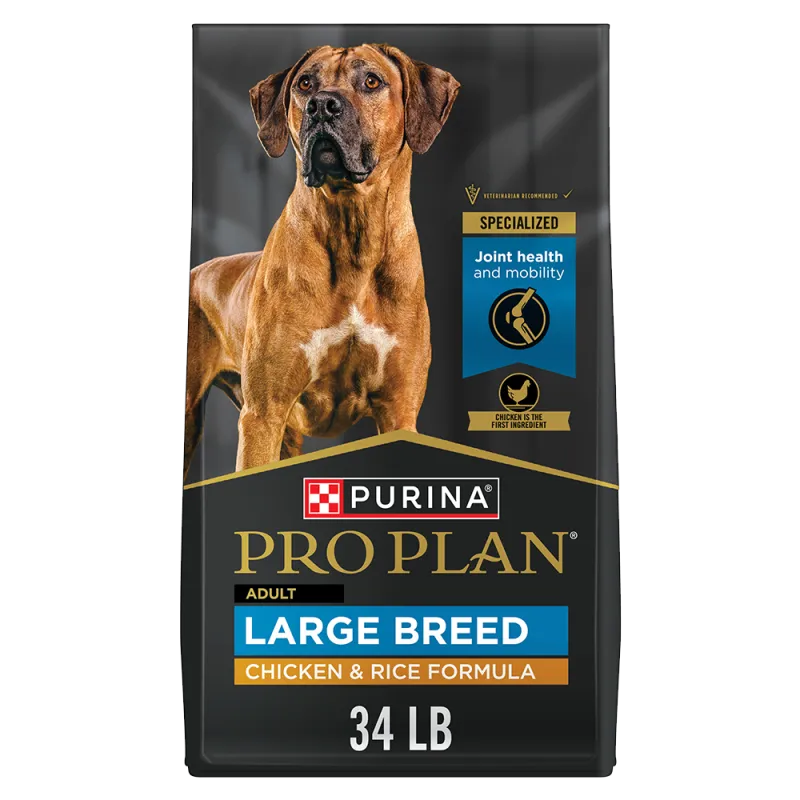 |
| Blue Buffalo | Blue Buffalo Official Site | Blue Buffalo Dog Food | |
| Iams | Iams Official Site | Iams Dog Food |  |
| Royal Canin | Royal Canin Official Site | Royal Canin Dog Food |  |
| Wellness Core | Wellness Official Site | Wellness Core Dog Food | 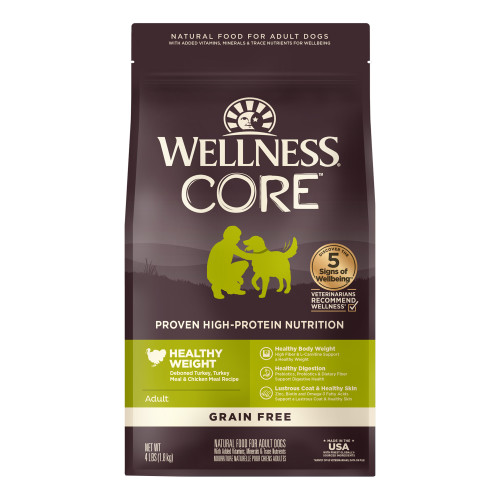 |
| Taste of the Wild | Taste of the Wild Official Site | Taste of the Wild Dog Food | 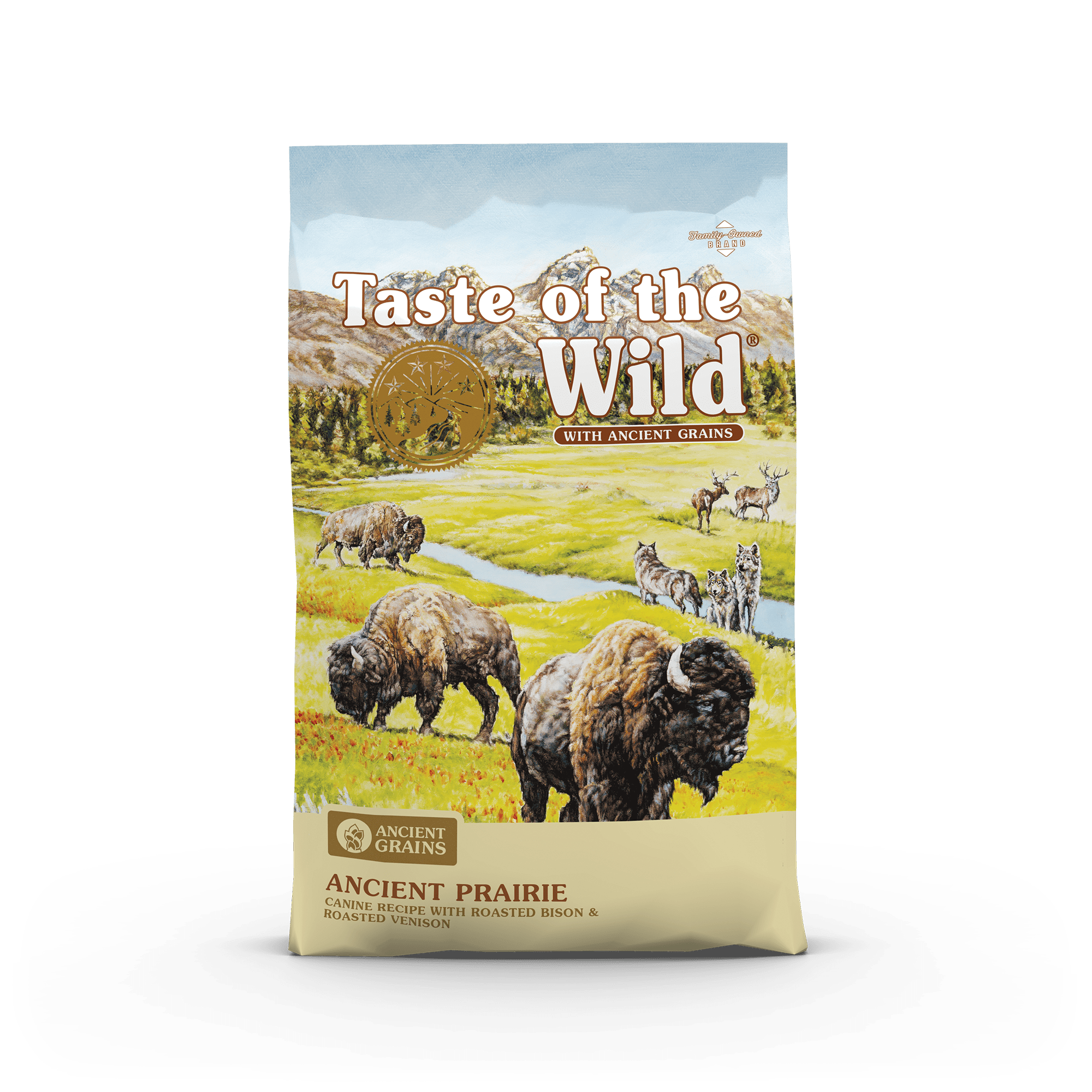 |
| Merrick | Merrick Official Site | Merrick Dog Food | 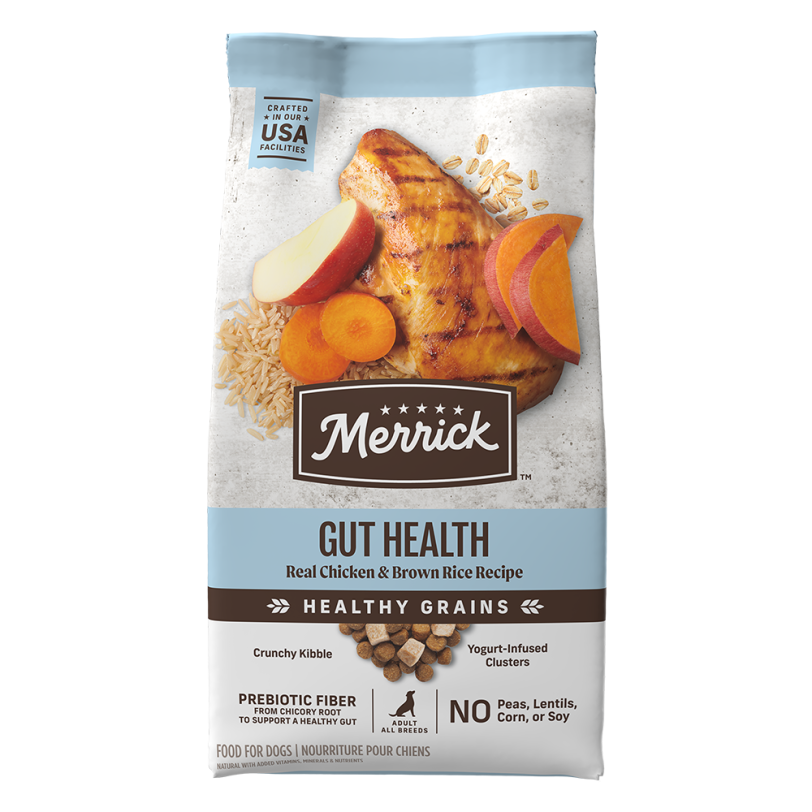 |
| Canidae | Canidae Official Site | Canidae Dog Food |  |
| American Journey | American Journey Official Site | American Journey Dog Food | 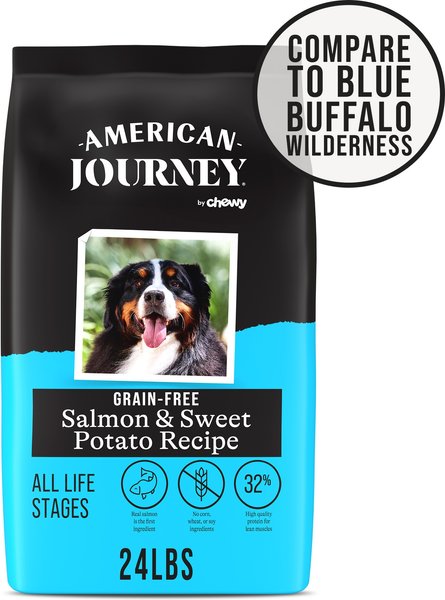 |
16. Tailoring Diet to Breed: Different Foods for Different Dogs
Breed matters. Smaller dogs, like Chihuahuas, may need nutrient-dense foods in tiny kibble sizes. Larger breeds, like Golden Retrievers or German Shepherds, benefit from joint-supporting nutrients and controlled energy intake to prevent growth-related issues. Some breeds are prone to certain allergies or sensitivities, requiring formulas that avoid triggers.
By matching the diet to breed characteristics, you reduce the risk of health problems and support optimal growth, development, and longevity.
17. Real-Life Success Stories: How the Right Food Changed a Dog’s Life
Many owners can attest to the transformative power of the right food. Dogs with dull coats suddenly shine, lethargic dogs become energetic, and chronic digestive issues vanish. Perhaps your dog once struggled with poor appetite or frequent ear infections—switching to a high-quality, hypoallergenic formula might alleviate these issues.
These success stories aren’t just marketing tales; they are real examples of how targeted nutrition can resolve common health problems and significantly improve a dog’s quality of life.
18. Nutritionist Insights: Professional Tips for Protecting Your Dog’s Health
Canine nutritionists emphasize the importance of balanced, complete diets. They suggest introducing variety when possible to ensure exposure to a range of nutrients. Rotational feeding, which involves switching between a few trusted brands or formulas, can help prevent deficiencies or excesses that may arise from a single long-term diet.
Expert Recommendations
– Consult a veterinarian or nutritionist before dramatic dietary changes.
– Use treats sparingly and opt for healthy, low-calorie options.
– Consider supplementation only under professional guidance.
Professional advice ensures that your dog’s diet remains on track, meeting all essential needs.
19. Planning for the Future: Long-Term Health Through Wise Food Choices
The decisions you make today influence your dog’s future health. By providing a balanced diet from puppyhood to senior years, you set the stage for longevity and vitality. Over time, nutrition can prevent costly health problems, from obesity to joint issues and heart conditions. Periodically reassess your choices. As your dog ages or their lifestyle changes, be prepared to adjust the diet accordingly.
Long-term planning involves more than just choosing a bag of kibble. It means building a consistent relationship with your veterinarian, staying updated on nutritional research, and treating dog food selection as an integral part of responsible pet ownership.
20. Q&A: Common Questions and Answers About Dog Food Selection
Owners often have recurring questions: How do I know if the food is right for my dog? Should I feed grain-free? How often should I change brands? While each dog is unique, general guidelines can help steer you toward the best decisions.
Frequently Asked Questions
Q: Should I feed grain-free diets?
A: Not always. Unless your dog has a grain sensitivity, grain-inclusive diets can be perfectly healthy. Discuss with your vet before switching to grain-free.
Q: How do I know if my dog’s food is high-quality?
A: Check for a named animal protein as the first ingredient, clear nutritional analysis, and AAFCO compliance. Also, consult credible reviews and your veterinarian.
Q: Is rotating between dog foods beneficial?
A: Rotational feeding can offer a variety of nutrients and prevent boredom. However, transition gradually to avoid stomach upset.
Q: How often should I reevaluate my dog’s diet?
A: At least once a year, or when there are major changes in life stage, activity level, or health status.
In the end, choosing the right dog food is about more than just cost or convenience—it’s about protecting the health, happiness, and well-being of a treasured family member. By carefully studying labels, seeking professional guidance, and staying informed about nutritional science, you can confidently navigate the world of dog food. Remember to reassess periodically, remain flexible, and always put your dog’s best interests first. The result is a lifetime of wagging tails, shining coats, and countless joyful moments shared over a healthy, hearty meal.